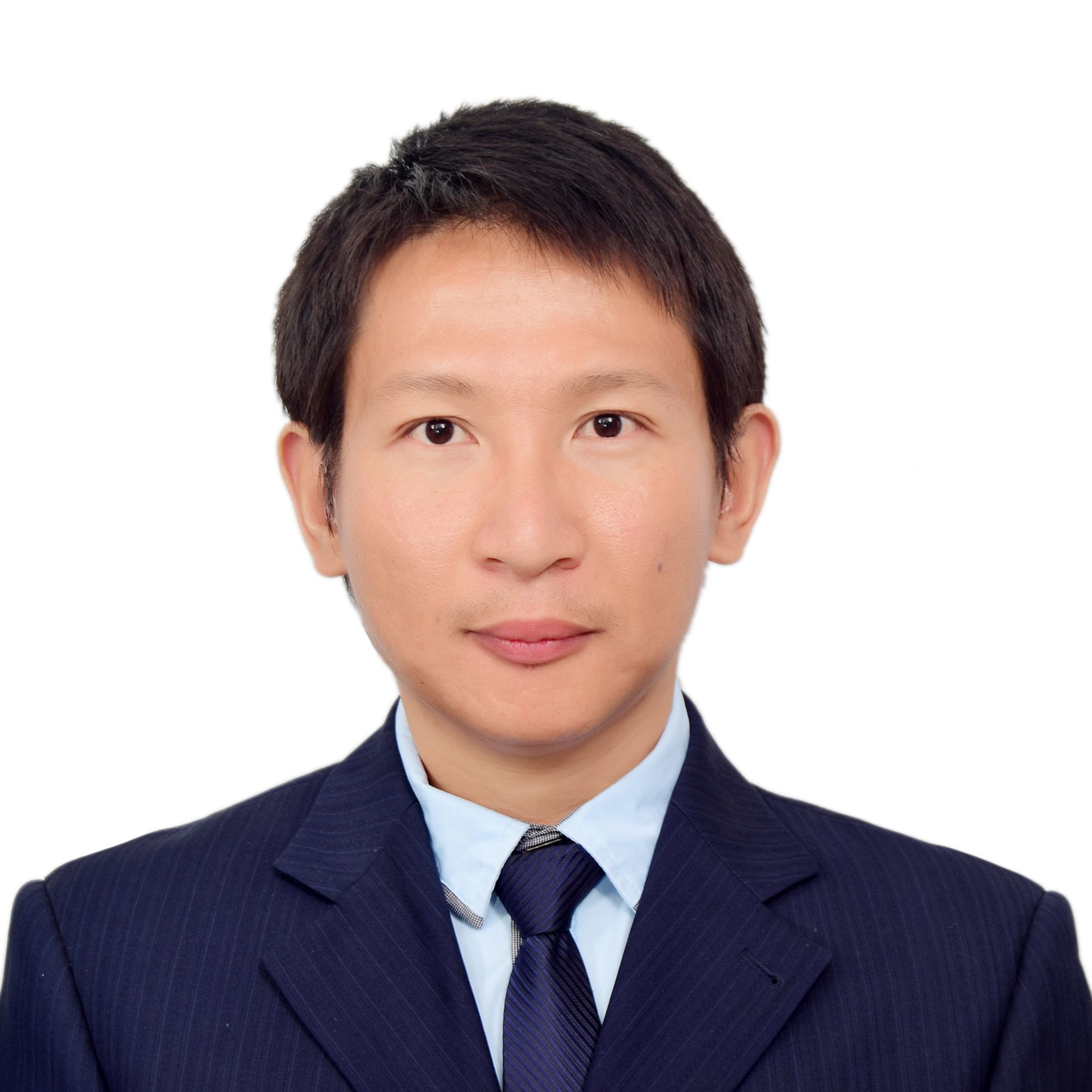
Tiangen Chang, PhD
Dr. Chang received his PhD in Computational Biology from the University of Chinese Academy of Sciences and completed his postdoctoral training at the U.S. National Cancer Institute (NCI), National Institutes of Health (NIH). His research program lies at the intersection of clinically driven AI and mechanistic systems biology, with a focus on decoding the complex, multi-scale interplay between the tumor microenvironment and the systemic immune system, and translating these mechanistic insights into predictable, interpretable, and programmable precision immunotherapy strategies.
Dr. Chang has published many papers as first and/or corresponding author in leading journals including Nature Cancer, Science Immunology, Annals of Oncology, Nature Machine Intelligence, and Cancer Discovery. His work has been highlighted in multiple leading journals and mainstream media outlets.
Dr. Chang also serves as an invited reviewer for more than 20 international journals, including Nature Medicine, Genome Biology, and The Journal of the National Cancer Institute.
Career
Education
Why the AISI Lab Exists
Cancer immunotherapy has fundamentally transformed oncology, yet its benefits remain highly uneven. Many patients do not respond to current treatments, while some experience severe immune-related adverse events. These challenges arise because antitumor immune responses are not governed by single pathways, but instead emerge from complex, multi-scale interactions among tumors, immune cells, and the host microenvironment.
The AISI Lab addresses these challenges through the integration of clinically driven AI and mechanistic systems modeling. Our goal is to advance precision immunotherapy from empirical discovery toward a more predictive, quantitative, and engineering-guided discipline.
We integrate diverse data sources — including electronic health records, routine laboratory measurements, medical imaging, flow cytometry, proteomics, single-cell sequencing, and spatial omics — to build unified computational frameworks capable of simultaneously predicting treatment response, identifying mechanisms of resistance, and informing therapeutic strategies.
About the Shanghai Institute of Immunology
Founded in 1979 and affiliated with SJTU School of Medicine, the SII is China's first dedicated immunology research institution, jointly established by the Shanghai Municipal Government and SJTU School of Medicine. SII has long been committed to bridging fundamental immunological research with clinical translation and plays a key role in the development of immunology research in China.
SII currently comprises 24 principal investigators. Faculty research has been published in leading journals including Cell, Science, Nature Immunology, Immunity, Science Immunology, Cancer Cell, and Nature Cancer.
The institute maintains active collaborations with leading immunology centers worldwide across the United States, Europe, Australia, Singapore, Hong Kong, and Taiwan.